
Youth project trains pupils to become ‘mediators’ to reduce crime and serious violence
Youth project trains pupils to become ‘mediators’ to reduce crime and serious violence
A pioneering youth project that trains school pupils to become mediators and restorative justice experts to prevent involvement in crime and violence has received high praise from Police and Crime Commissioner Rupert Matthews.
Restorative Practice Training and Consultancy was allocated £10k from the Leicester, Leicestershire and Rutland PCC’s original Safety Fund to launch the Pathway to Prevention (A Whole-Child, School and Community Initiative) at Limehurst Academy in Loughborough, which falls within the Bell Foundry People Zone.
The project is one of many funded by the PCC to prevent youth crime and violence and aims to reduce vulnerability by using a whole-school holistic approach.
Nationally, school absenteeism, exclusions and suspensions have risen post-Covid and are contributing to an increase in criminal involvement among young people.
Some estimates suggest an extra 9,000 young people could enter the justice system by 2027. There are also associated risks of non-attendance including sexual exploitation.
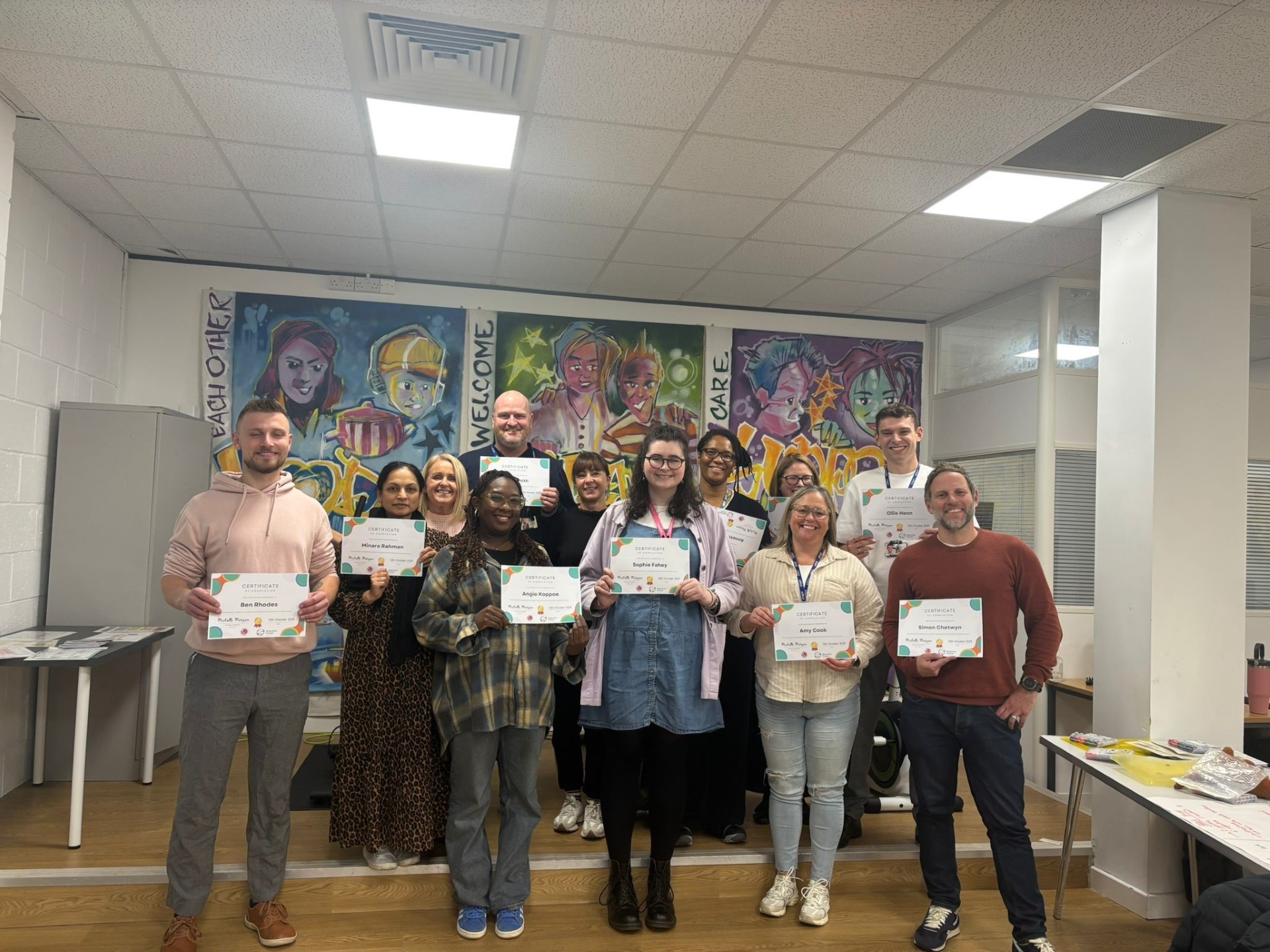
The project identified a cohort of Year 9 and 10 students alongside a team of staff and community partners. Staff were trained in restorative practice and justice principles, while students were trained to become Restorative Peer Mediators with weekly duties including yard supervision and peer-to-peer support during form time to help resolve inter-school conflicts.
Following an initial implementation phase, all school pupils are now being offered a restorative approach after incidents at school while 122 staff are receiving training to increase their understanding of a teenager’s brain development and behaviour and to learn corridor conferencing skills.
Michelle Morgan, Director of Restorative Practice, said: “The project has applied a 'hubs and spokes' model - the school being the hub and the spokes being eight community partners to intentionally expand the reach of the pilot. Typically, when we deliver training with school staff and young people, the impact/learning ripples out into the community. With this pilot we are being intentional about the ripple starting with the school and the wider community partners at the same time, we're aiming to make waves! That's what makes it really innovative."
The project is already delivering success. Students are not being punished but supported and there is stronger effort from staff to understand them and for peers to get alongside them.
Rifts between year and friendship groups are also being overcome and there are already reports of children using their training in the home or community and educating their parents on what they have learned.
The Police and Crime Commissioner, Rupert Matthews, who has placed prevention at the heart of his Police and Crime Plan mission to build safe and prosperous communities, has been highly impressed with the initial impact of the programme, saying: “Prevention is better than cure, as they say. It’s still early days but already we are seeing improvements in wellbeing, empathy, communication and understanding. Importantly, pupils are using qualities that would have historically landed them in trouble to a positive end with many who previously ‘hated’ school now reporting the initiative as the best part of it.
“This ‘outside the box’ project positions children themselves as the catalyst for change, giving the young mediators an immediate sense of responsibility and community and equipping them with skills that can be useful in all other aspects of their lives.
“There is so much scope left to explore, and I know the team are already considering developing a wider community of mediators and training parents themselves in these restorative mediation techniques to expand this project’s reach. I am really excited by what the future could hold and look forward to seeing how this initiative develops and the outcomes it achieves.”
Ends
Media Enquiries:
Sallie Blair
Better Times
Telephone 01283 821012
Mobile 07702 541401